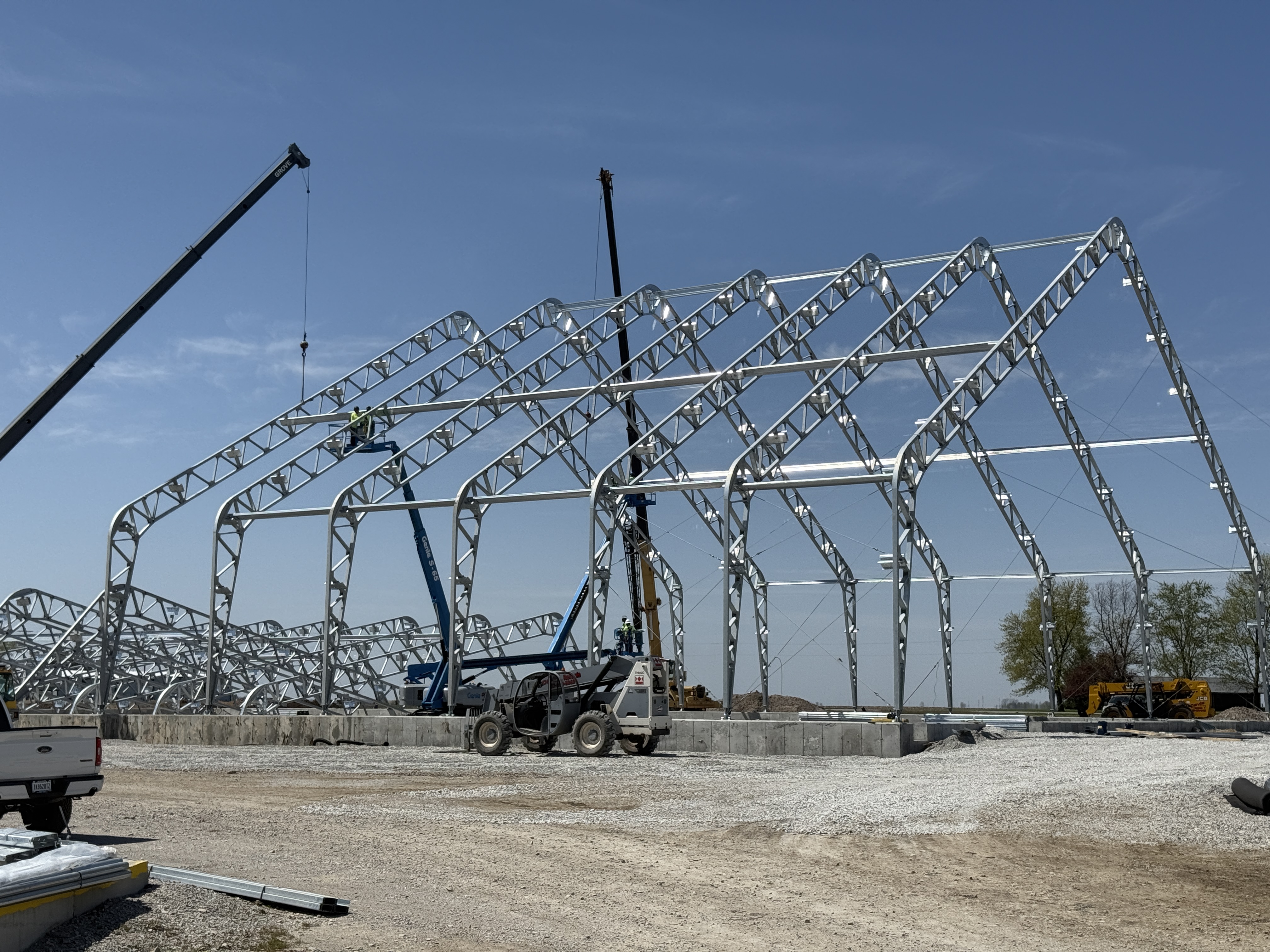
When people think about investing in new buildings, installation speed and clear-span interiors often come to mind first. Fabric structure engineering begins long before the materials arrive on site, with a significant amount of engineering and planning taking place behind the scenes.
From environmental load calculations to foundation coordination, the success of a fabric structure depends heavily on the work completed before production even begins.
Every building site presents different challenges. Soil conditions, elevation, drainage, accessibility, prevailing wind exposure, and intended building use all influence the engineering approach.
A proper site analysis helps determine:
Addressing these factors early helps improve both the efficiency of installation and the long-term performance of the structure.
In northern climates especially, environmental loads are one of the most important parts of the fabric structure engineering process.
Fabric structures must be engineered to safely withstand:
These calculations directly impact the sizing of structural members, truss spacing, anchoring systems, and overall building geometry.
Different locations can produce dramatically different engineering requirements, even for buildings with similar dimensions.
A fabric structure relies on a properly engineered foundation system to perform as intended.
Depending on the project, this may involve:
The proper foundation helps engineering and installation teams prepare the site and coordinate the appropriate structural systems for the project environment.
Coordination between engineers, contractors, and site teams is critical before installation begins. Early planning helps reduce delays, minimize site conflicts, and improve construction efficiency once materials arrive.
Modern fabric structures are typically modelled digitally before fabrication begins.
Structural modelling allows engineers to:
This stage helps improve manufacturing and installation accuracy while reducing the likelihood of unexpected issues on site.
Successful projects rely on more than engineering calculations alone. Communication between owners, builders, engineers, and installation crews plays a major role in keeping projects on track.
Early collaboration helps align:
The more coordination before installation begins, the smoother the overall project execution tends to be.
The engineering phase is often invisible once a structure is complete, but it directly affects how the building performs for decades afterward.
A properly engineered fabric structure can help improve:
For many industries, the work completed before the first steel goes up is what ultimately determines the success of the project.