Although the lifespan of fabric structures is great and generational use is the inherent goal, all buildings will experience deterioration and damage due to normal wear and tear. At the point of an aging fabric structure, the owner must decide – will I repair it or will I replace it? As with any decision, we’re here to help break down when you should consider repairing fabric structure damage versus when you should replace your building.
Some level of inspection should occur daily, monthly, and yearly. Generally, you should conduct a thorough inspection at least once every three months.
Tip: take photos of your newly installed structure for reference. This way, you’ll know what your building should look like!
Sometimes, the frequency of your inspection can increase.
With regular inspections, your vigilance will impede the development of costly deterioration. Below are common signs to look out for:
Implementing routine cleanings of your structure is crucial for maintaining aesthetics, protecting the fabric from degradation, and catching small defects. Cleaning your fabric structure is relatively simple; however, you should consult your owner’s manual if you possess uncertainties.
Our top tips include:
So, you’ve found some damage after cleaning and inspecting your structure… It can be confusing to know which avenue to go down; therefore, we’ve broken it down for you!
Sometimes, there is no way around a replacement. Replacements can take many shapes depending on the type of cover your structure has. If you have any questions about cover type, you can always send a photo to your manufacturer and ask for guidance!
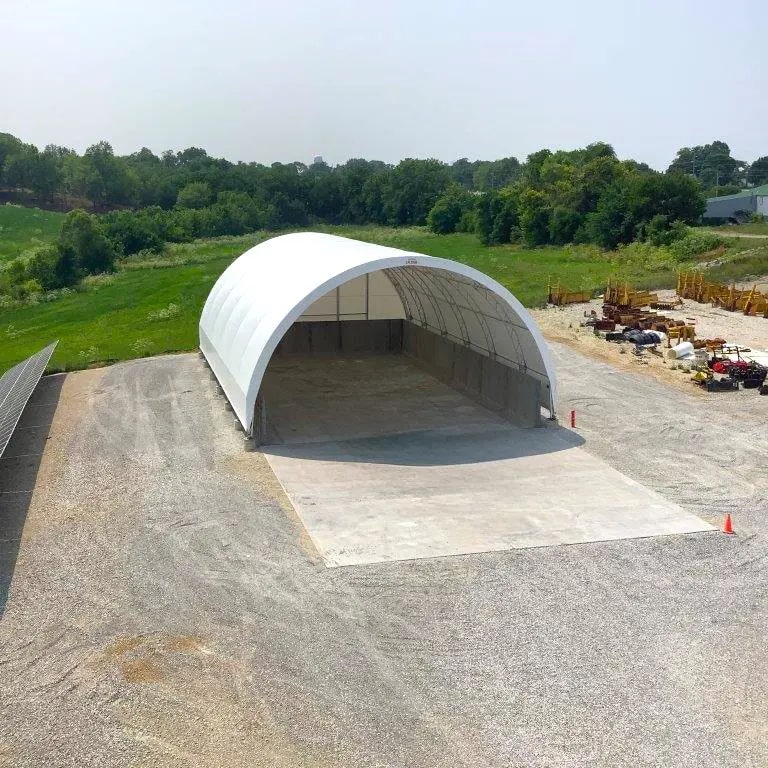
If your building features a bag-covered system it is generally more affordable to replace the fabric cover (especially on smaller structures or old coveralls). A bag-covered fabric structure is when a single piece of continuous fabric protects the entire structure. When major fabric damage has occurred or if the fabric has become detached from the framing, you should work with the fabric building manufacturer and local representatives who have the necessary tools, expertise, and materials to re-cover your structure. The bag cover will be removed as one unit and replaced as such; therefore, the manufacturing and installation process is frictionless.
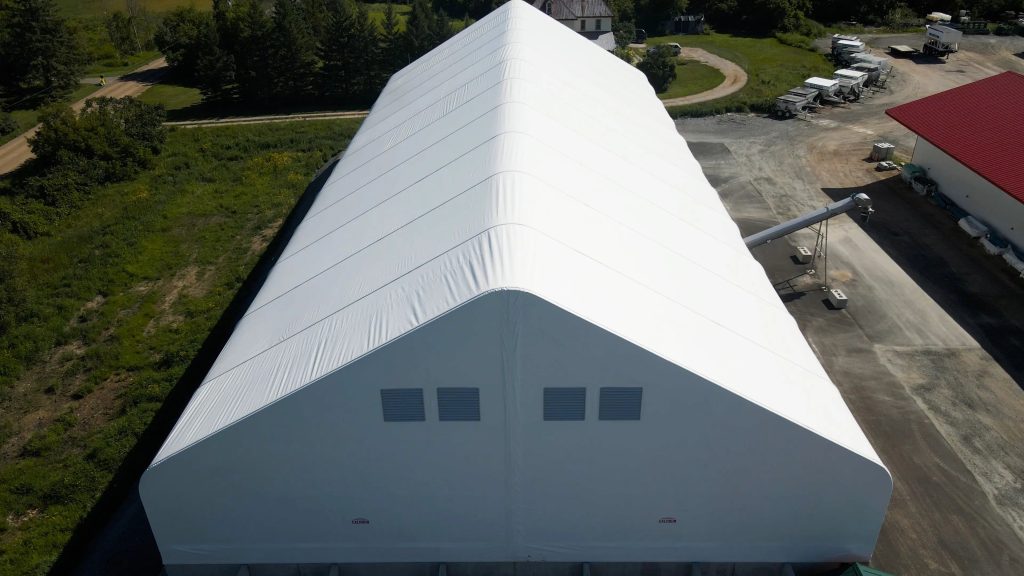
Service teams can conduct quick re-cover replacements of individual panels if your building features a keder panel system (composed of custom-made individual strips of fabric mounted at each truss section). Alternatively, if your kedered structure is weather-worn and aged, the entire keder panel system can be re-covered and remodeled to ensure generational use.
Many manufacturers will re-cover or service any existing fabric structure, regardless of brand. We recommend educating yourself on the warranties offered by the manufacturer to learn about coverage and replacement costs. Depending on your coverall building’s cover type, a replacement will mirror that of a bag cover swap or a keder panel rejuvenation.
Contact us today for more information or to start your re-cover or repair project!