Fabric structures have come a long way from their humble beginnings. Modern advancements in materials and engineering have propelled these structures to the forefront of commercial, industrial, and agricultural applications. Yet, despite their growing popularity, several myths persist about fabric structure durability, strength, and utility. In this article, we’ll debunk these misconceptions and highlight the true benefits of fabric structures.
One of the most widespread myths is that fabric structures are temporary solutions, only suitable for short-term use. This couldn’t be further from the truth. Modern fabric structures, particularly those made from high-quality materials like hot-dipped galvanized steel and high-density polyethylene (HDPE) fabric can last for decades and provide the same durability as traditional buildings.
With proper maintenance, the fabric can last for 20-30 years, while the frame can last beyond that, making it a superior investment.
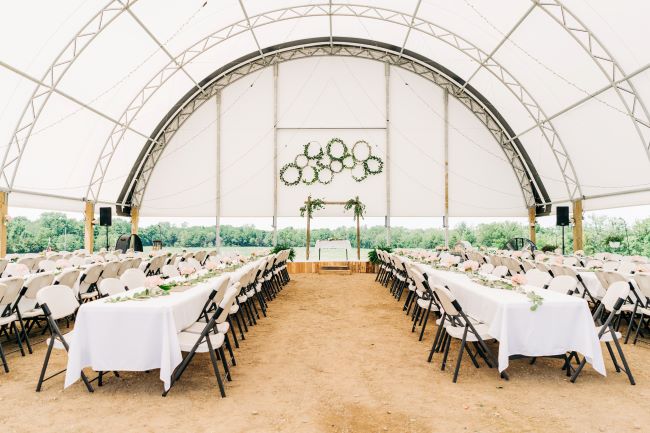
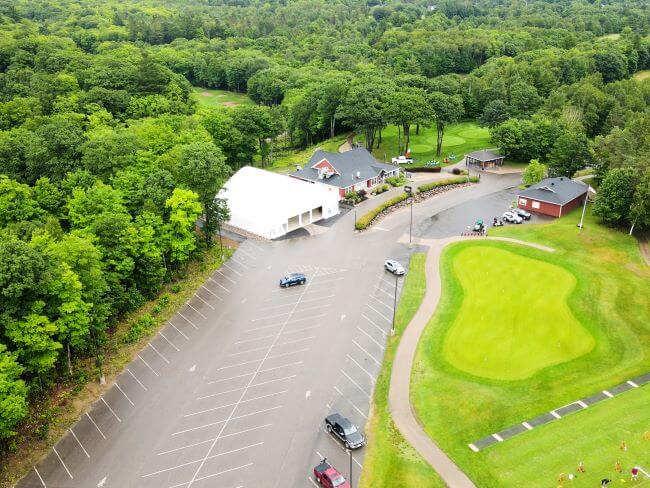
Why the Myth Exists: Older fabric structures were often associated with temporary set-up/tear-down applications such as event tents. However, advancements in engineering have dramatically improved the durability of fabric structures, changing their reputation from temporary to permanent solutions. Now, businesses are using fabric structures as permanent event venues.
Fabric structures are specifically designed to handle a variety of weather conditions. HDPE fabrics are UV-resistant, waterproof, and optionally fire-retardant, making them ideal for locations with extreme climates.
For instance, fabric structures are commonly used in regions with high snowfall, where they can bear significant snow loads due to their curved design, which naturally sheds snow and reduces the risk of collapse. In windy areas, tensioned fabric structures provide enough flexibility to distribute wind loads evenly, preventing structural damage. Additionally, they’re often installed with storm-resistant anchoring systems, ensuring stability even in hurricane-prone regions.
Why the Myth Exists: Misconceptions stem from the assumption that fabric is inherently weaker than traditional building materials (e.g., wood, shingles); however, the materials used in these structures are vastly different from household fabrics, offering industrial-grade strength. Another reason this misconception may have originated is due to old, dilapidated fabric structures, which act as poor spokesmen for modern fabric buildings. These structures, often found in the countryside, are a testament to how far fabric structures have come, rather than a reflection of their current durability.
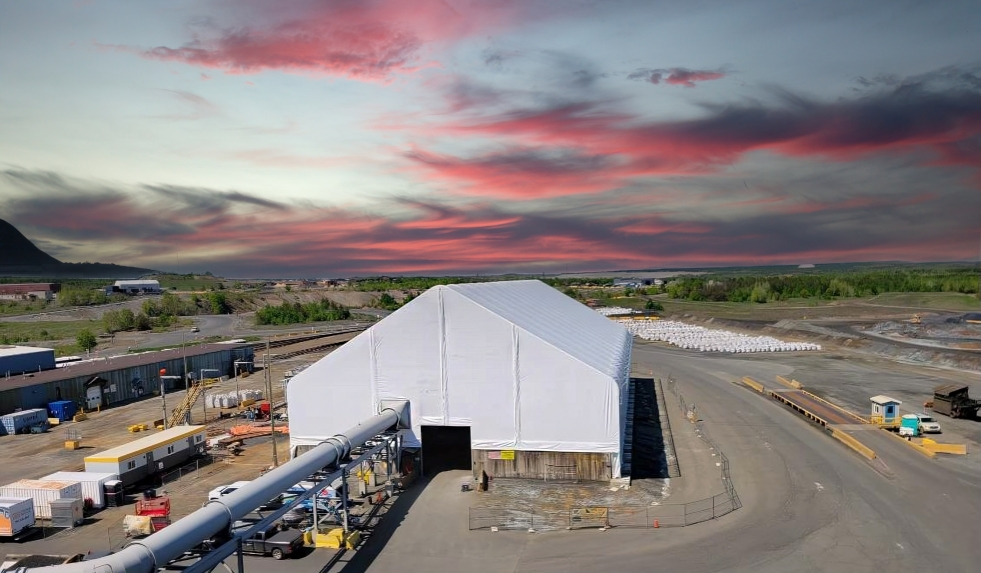
Some people believe that fabric structures cannot support heavy-duty or industrial applications, such as manufacturing facilities, mining camps, or aircraft hangars. However, this is far from true. These structures are engineered to meet the same building codes as conventional structures, and in some cases, they surpass them.
Fabric structures are known for their impressive strength-to-weight ratio. They are capable of supporting heavy equipment, machinery, and large-scale operations. The steel frames are reinforced and designed to withstand dynamic and static loads.
Fabric structures are commonly use
d in industries such as aviation, where they provide ample space for airplane storage, maintenance, and operations.
Why the Myth Exists: The notion of “fabric” evokes an image of something delicate. However, the materials and engineering used in modern fabric structures are specifically developed to handle heavy loads.
Fabric structures are often much easier and more affordable to maintain compared to traditional buildings. Thanks to their tensioned design and high-quality materials, they require little upkeep. For instance, fabric structures don’t rust or corrode like metal buildings, and they aren’t prone to issues like rot or pest infestations that are common in wood-frame structures.
Periodic maintenance, including inspections and simple cleaning, can extend the life of these structures by many years. Additionally, the curved design and smooth surface of the fabric naturally repel dirt, snow, and rain, reducing the need for frequent cleaning.
Why the Myth Exists: Some may assume that a non-traditional material would require more care, but the opposite is true. Fabric structures are designed for ease of use and low maintenance.
While traditional buildings often have a limited range of design possibilities, fabric structures provide immense flexibility in design and aesthetics. They can be customized in a variety of shapes, colours, and sizes, allowing businesses to incorporate branding or create visually striking buildings.
Many fabric structures are used as event centers, sports arenas, or even retail spaces because of their modern and sleek appearance.
Why the Myth Exists: The myth of fabric structures looking unprofessional likely stems from older, tent-like designs. Today, they’re designed with aesthetic considerations in mind, offering a sleek and professional appearance.