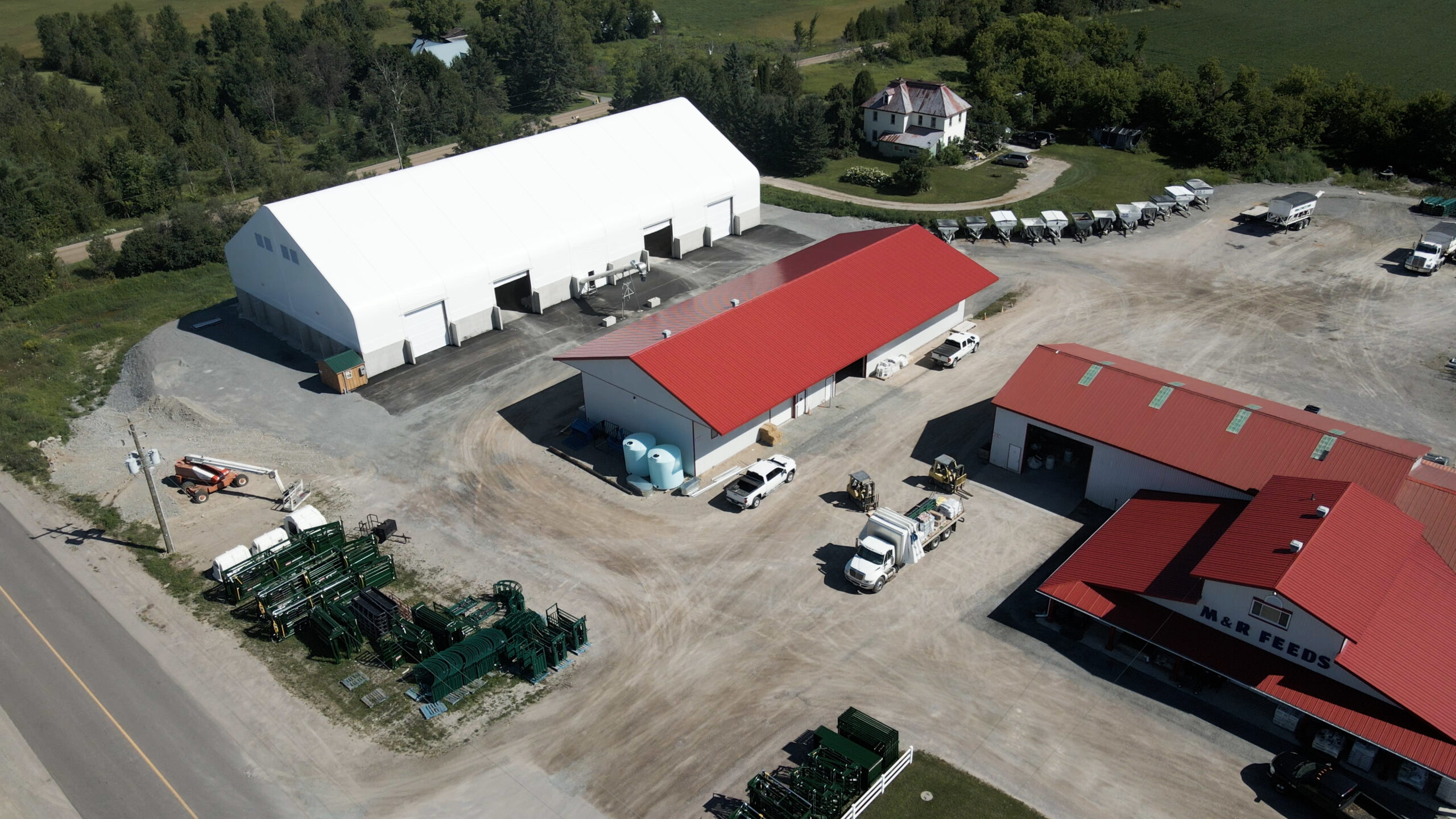
In today’s construction landscape, sustainability has taken center stage. More companies are aiming to reduce their environmental footprint, and the materials used in construction play a significant role in that pursuit. Choosing between fabric structures and traditional steel buildings can impact the environmental sustainability of a project, with fabric structures emerging as a leading sustainable building choice.
Sustainability in construction addresses key goals: reducing greenhouse gas emissions, conserving resources, and adhering to global green building standards. Green initiatives drive these choices, as companies and builders alike seek more eco-conscious alternatives to traditional methods.
Fabric structures offer a clear advantage in terms of energy efficiency and a reduced carbon footprint. Due to their lightweight design, fabric structures require less material and energy to transport and assemble, translating into fewer emissions. Thereafter, the high-density polyethylene fabric used ensures ample natural light and a temperate internal environment—saving you money on electricity and heating costs—further reducing your operational emissions. In contrast, traditional building material production is resource-intensive, with high energy needs resulting in a significantly larger carbon footprint. Transporting and constructing these buildings also demands more fuel and labour, amplifying its environmental impact.
Fabric structures come engineered to precise site specifications, minimizing on-site waste. They arrive ready for efficient assembly, generating less waste compared to traditional steel buildings, which require custom modifications that can lead to excess material use and wastage (i.e. scraps, warped wood, off-cuts). This advantage in material efficiency directly contributes to sustainable building practices.
Fabric structures not only have a low environmental impact at the construction phase but also excel in sustainability throughout their lifecycle; they require minimal maintenance and can often be repaired without heavy machinery, reducing the resources needed over time. Steel buildings, however, need frequent maintenance due to risks like corrosion—whereas the steel frames Calhoun’s fabric structures are hot-dip galvanized to ensure longevity. Repairs for steel are more resource-intensive, requiring specialized equipment and often generating additional waste.
One of the greatest advantages of fabric structures is their adaptability. Modular by nature, they are easy to expand, modify, or even repurpose. This design flexibility extends their lifespan, as they can be altered to fit evolving needs, minimizing the need for new construction or demolition. Traditional steel buildings are less adaptable and typically require major structural changes to be repurposed, making them a less sustainable choice over time.
The sustainability benefits of fabric structures make them an excellent choice for companies focused on reducing environmental impact; from their lower carbon footprint and reduced waste to their long-term adaptability, fabric structures present a sustainable alternative to traditional steel buildings. For companies aiming to meet green building goals, fabric structures offer an effective way to build responsibly while aligning with today’s environmental standards.