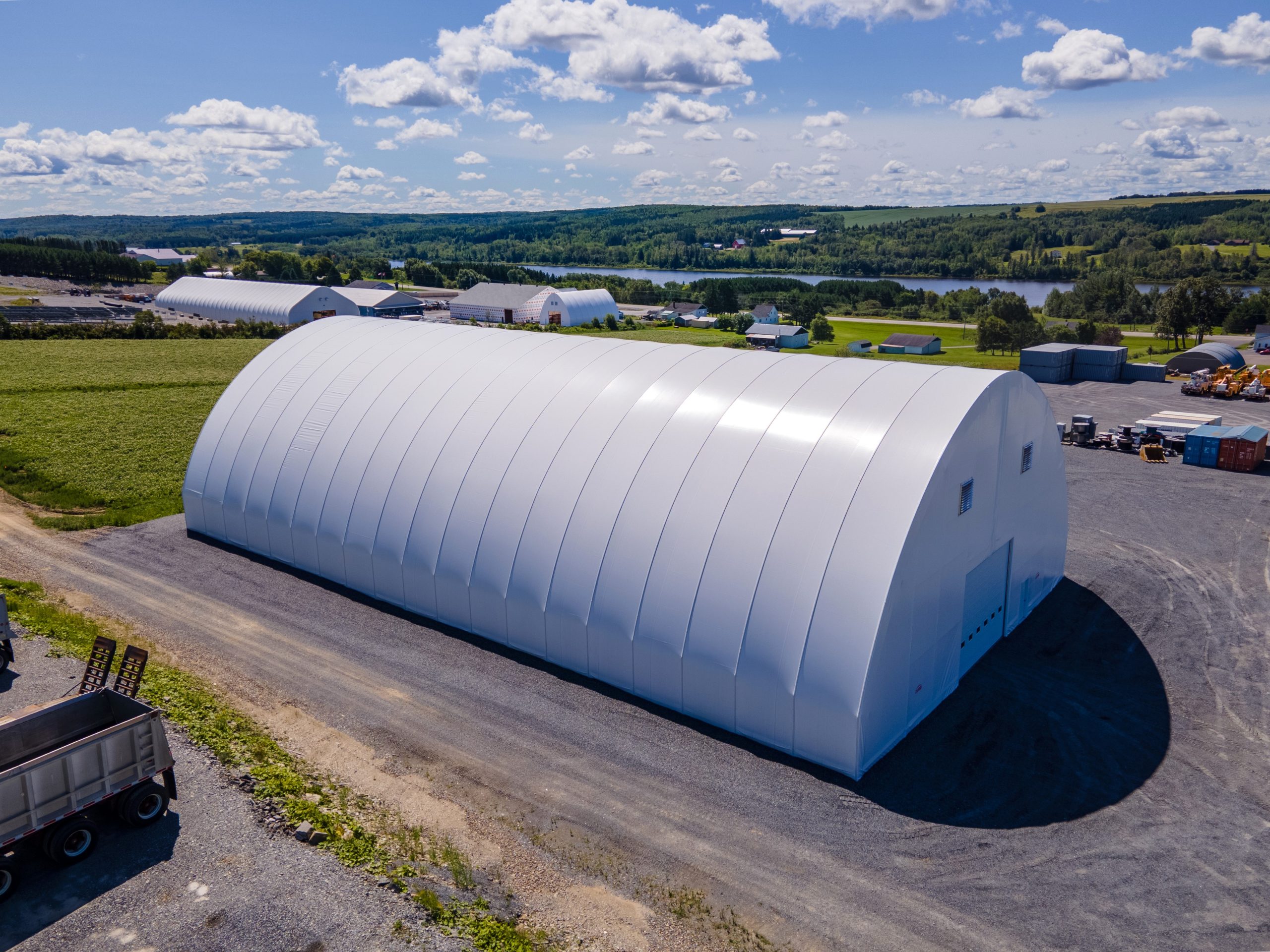
When it comes to understanding the engineered innovation of fabric structures, one question seems to elucidate time and time again: “How do fabric structures handle harsh climates?” Whether the concern stems from living in polar regions that receive astronomical amounts of snow or landscapes with unrelenting, seasonless winds – the concern is logical. After all, at first glance, fabric may seem to be less durable than traditional building materials like wood.
While we can understand this reasoning, we’re here to debunk it and discuss why fabric structures are a structurally sound choice that can withstand even the harshest of climates.
Engineering for Extreme Conditions
The backbone of any durable fabric structure is its engineering. These structures are meticulously designed to endure the specific challenges presented by different climates. This involves a thorough understanding of local weather patterns and environmental stressors.
- Structural Integrity: The framework of fabric structures is typically made from high-strength steel, treated with hot-dipped galvanization. This process involves coating the steel with a layer of zinc to prevent rust and corrosion, which is especially important in salty or humid environments. This treatment significantly extends the structure’s lifespan, ensuring it can withstand harsh conditions without compromising its integrity.
- Load-Bearing Capacity: In areas prone to heavy snowfall, fabric structures are engineered to support substantial snow loads. This is achieved by designing a steep roof pitch that allows snow to slide off rather than accumulate, and by reinforcing the frame to bear the extra weight. Similarly, in windy regions, structures are aerodynamically designed to minimize wind resistance and prevent uplift.
High-Performance Fabric Materials
The fabric used in these structures is not your ordinary textile. It is a high-performance high-density polyethylene fabric designed for durability, weather resistance, and longevity.
- UV Resistance: In hot and sunny climates, UV radiation can degrade many materials over time. The fabrics used in these structures are treated with UV inhibitors that protect against sun damage, preventing fading and weakening. This ensures the fabric remains strong and vibrant, even after prolonged exposure to intense sunlight.
- Waterproof and Breathable: In humid or rainy climates, the fabric must be waterproof and breathable. This prevents water from seeping through while allowing moisture and humidity inside the structure to escape. This dual functionality helps avoid mold and mildew growth, maintaining a healthy environment within the structure.
- Fire Retardancy: Safety is paramount, especially in areas prone to wildfires or high temperatures. The fabrics used are often fire-retardant, resisting ignition and inhibiting the spread of flames. This adds an extra layer of protection for the contents and occupants of the structure.
Adapting to Various Climates
Fabric structures are adaptable to a wide range of climatic conditions:
- Hot and Humid Climates: Ventilation is crucial in hot and humid regions. These structures can be designed with integrated ventilation systems, such as vents, louvers, and mesh panels, to enhance airflow and reduce heat buildup. The breathable fabric also helps maintain a comfortable internal temperature by allowing excess moisture to escape.
- Cold and Snowy Climates: As mentioned, fabric structures in snowy areas are engineered to handle significant snow loads. The combination of steep roof pitches and robust frame designs ensures that these structures remain stable and safe during heavy snowfall. The fabrics used are also designed to remain flexible and strong even in freezing temperatures.
- Rainy and Salty Climates: Coastal and rainy areas present unique challenges due to the corrosive effects of salt and constant moisture. Hot-dipped galvanization of the steel frame is particularly important here to prevent rust. The waterproof fabric ensures that the interior remains dry, while the overall design can incorporate drainage systems to prevent water pooling and damage.
Conclusion
Modern fabric structures rival traditional structures in terms of their capacity to withstand a wide array of harsh climates through innovative design, advanced materials, and meticulous engineering. Whether it’s the searing heat and humidity of tropical regions, the heavy snowfall of northern climates, or the corrosive salty air of coastal areas, these structures are built to last. Their adaptability makes them an excellent choice for various applications, offering durability, resilience, and comfort no matter the environmental challenges.
To learn more about the engineering involved in our fabric structures, click here!